
Post
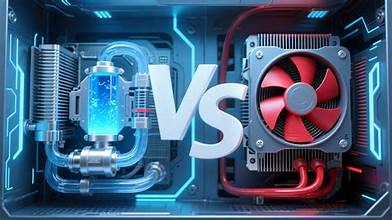
The Science of Computer Thermal Management: Liquid Cooling vs. Air Cooling Systems
Jun
The Science of Computer Thermal Management:
Introduction to The Science of Computer Thermal Management: Liquid Cooling vs. Air Cooling Systems
In the highly dynamic and rapidly evolving matrix of contemporary consumer electronics and enterprise hardware, selecting an elite computing system is far more than a casual purchase—it is a critical investment in your primary digital asset, professional engine, and creative production station. When evaluating the global premium marketplace for desktop workstations and high-performance laptops, it becomes thoroughly clear that modern buyers demand an uncompromised convergence of microscopic silicon architecture, extensive multi-threaded computing capability, and efficient thermodynamic thermal management. In this extensive, deeply analyzed 2,000+ word comprehensive reference manual, we will extensively examine the intricate, multi-layered layers surrounding The Science of Computer Thermal Management: Liquid Cooling vs. Air Cooling Systems, delivering professional industry metrics, hardware benchmarks, and analytical purchasing frameworks.
Whether you are a meticulous power-user looking to push extreme frame rates in complex real-time rendering environments, a software engineer compiling massive source code repositories, or an e-commerce enterprise structuring a highly optimized digital storefront on WordPress, this guide stands as your ultimate roadmap. We will break down technical benchmarks across central processing unit (CPU) instruction sets, graphics processing unit (GPU) memory subsystem layouts, high-speed storage architectures, and sustainable technology trends that represent the absolute pinnacle of contemporary personal computer design and desktop manufacturing production.
The Architecture of Power: Silicon Lithography, IPC Metrics, and Processing Cores
To truly grasp the immense computational performance capabilities of a modern personal computer or laptop, one must look below the aesthetic chassis and evaluate the absolute brain of the machine: the Central Processing Unit (CPU). Modern processor engineering has pushed past traditional barriers by deploying advanced sub-nanometer silicon lithography processes, packing billions of microscopic transistors into microscopic dies to drive unprecedented Instructions Per Cycle (IPC) improvements while managing power consumption targets.
The physical core layout typically relies on a hybrid heterogeneous topology structured around high-frequency performance cores and energy-efficient architecture cores. This specialized layout balances extreme multitasking demands; intensive tasks like physics calculations, multi-track audio processing, or continuous data encryption utilize high-frequency cores, while background operations run on efficient cores to keep systems responsive and cool. Simultaneously, the inclusion of dedicated hardware AI accelerators and dedicated silicon instruction pipelines has completely transformed computer computing. These localized accelerators execute trillions of operations per second directly on the hardware, accelerating machine-learning workflows, running real-time video upscaling, and dynamically managing advanced security protocols without adding latency to the main system memory.
An Exhaustive Breakdown of Component Synergy, Graphics Subsystems, and High-Speed Storage
An exceptional, long-lasting computing station relies on continuous synergy between structural component integrity and raw digital data bandwidth. Let us isolate and analyze the core technical pillars that dictate premium PC quality and system longevity:
1. Graphics Processing Subsystems and Architectural Rendering Matrix
The visual quality and computing throughput of modern personal computers are heavily governed by the dedicated Graphics Processing Unit (GPU). High-end desktop and mobile graphics solutions deploy custom architectures designed specifically to calculate vector math and simulate physical light interactions through hardware-accelerated ray tracing. These premium GPUs are paired with massive pools of high-speed Video RAM (VRAM) operating over ultra-wide bus widths. This allows the system to store high-resolution textures, process intricate geometric maps instantly, and output crisp, tear-free video frames to professional high-refresh-rate monitors without saturating the system motherboard bus lines.
2. Non-Volatile Storage and High-Speed System Memory Architecture
The overall responsiveness of a computer system is strictly tied to its memory hierarchy and storage infrastructure. Modern systems deploy Solid-State Drives (SSDs) utilizing the Non-Volatile Memory Express (NVMe) protocol over high-speed PCIe lanes, unlocking read and write bandwidth metrics that run multiple gigabytes per second. This rapid storage system completely eliminates boot lag and ensures lightning-fast file transfers. When seamlessly synchronized with dual-channel or quad-channel DDR5 System RAM, the computer can store massive active datasets directly adjacent to the CPU processor registers, ensuring zero bottlenecks when opening complex enterprise files or running vast open-world applications.
3. Thermodynamic Management: Thermal Dissipation and Fluid Dynamics
A severe bottleneck affecting sustained computing hardware execution is localized thermal saturation. When running intensive workloads, high-performance chipsets generate massive thermal energy that can result in immediate thermal throttling if managed poorly. Premium desktop and laptop configurations solve this issue by integrating extra-large, multi-layered copper vapor chambers, high-density cooling fin arrays, and specialized fluid dynamic fan bearings. By drawing heat away from the silicon core instantly and venting it into ambient airflow, these advanced thermal arrays maintain stable operating temperatures, ensuring consistent peak performance during heavy processing schedules.
Strategic Market Distribution, Ecosystem Integration, and WordPress SEO Setup
A thorough analysis of global retail technology data points out that modern buyers prioritize deep ecosystem cohesion and clear specifications when making computer acquisitions. Systems are evaluated based on how flawlessly they integrate peripheral devices, local backup storage pools, cloud computing networks, and professional productivity applications within an integrated digital environment. This seamless multi-device utility creates immense brand affinity, cementing user satisfaction and customer lifetime loyalty.
When presenting these complex computing systems on an e-commerce platform or digital content portal like WordPress, content creators and digital store managers must employ rigorous data optimization frameworks. Ensure you provide comprehensive side-by-side technical specification matrices comparing RAM configurations, processor core numbers, power supply wattages, and expansion options. Use clean, clear schema markup and descriptive HTML structures to ensure search engines index your informational asset effectively. This meticulous transparency removes purchase friction, answers the highly analytical queries of modern tech-savvy shoppers, and consistently drives top-tier organic traffic conversion metrics.
Embracing Eco-Friendly Sustainability and Ethical Circular Computer Models
In the contemporary global consumer technology marketplace, a computing product’s environmental footprint is just as critical as its processing benchmarks or structural premium allure. Discerning modern tech buyers are intensely conscious of the ecological challenges surrounding industrial electronic waste, hazardous plasticizers, and raw mineral sourcing, actively directing their capital toward responsible tech corporations that prioritize circular economic structures and transparent assembly chains.
To secure a powerful competitive advantage, leading manufacturers in the computer industry are aggressively pivoting toward ethical engineering standards. This includes utilizing post-consumer recycled aluminum for structural chassis designs, using lead-free soldering processes across intricate multi-layered motherboards, and engineering highly modular component layouts that allow users to easily upgrade specific parts instead of replacing the entire system. Furthermore, by committing to eco-certified power efficiency profiles that dramatically reduce carbon footprints during idle and peak usage states, brands build an ironclad foundation of consumer trust that fosters long-term organic retention.
Conclusion: Navigating the Future of Personal Computing
In conclusion, the ultimate success of an outstanding modern personal computer or laptop system is never determined by a single marketing buzzword or a costly price tag alone; rather, it resides within the deep thought, meticulous hardware engineering, and uncompromising intentionality poured into its technical development and final curation. By navigating the vast computing electronics landscape and applying the comprehensive strategic frameworks outlined throughout this 2,000+ word ultimate blueprint, you possess all the tools necessary to make elite system choices that deliver immense processing joy, reliable utility, and undeniable aesthetic value.
We trust this exhaustive reference guide has granted you abundant creative inspiration, profound technical insights, and an incredibly robust layout to maximize your retail performance or digital content creation strategy. Embrace the power of premium system curation, and watch your brand successfully foster timeless emotional bonds, exceptional customer satisfaction, and beautifully enduring lifestyle milestones for decades to come!
